

The 4-Stage Leadership Change Process
There is a wise and reliable process to help leaders grow.
When that process is guided by a wise old owl, leadership effectiveness notably increases.
Effective leadership development requires a proven process.

Behavior change isn’t one workshop away.
Change comes with a deliberate process that reshapes behavior over time.
Changes in leadership behavior don't come from new ideas, tip sheets, or one-off trainings. It takes more than insight to change how leaders behave under pressure.
At Austin-based 360 Coaching, I offer a structured process that reshapes how leaders think, react, and relate under pressure. I make that process visible so clients understand the time, sequence, and effort that sustainable change actually requires.
This work is informed by current adult development theory and evidence-based executive coaching practices. The stages of the process are outlined below. A clear view of the executive leadership change process and how behavior actually shifts over time when leaders are supported through a structured development arc.
Other leadership change efforts aren't effective because leaders aren't supported in effective ways.
Work with a leadership consultant who focuses on each leader’s unique levers for change.


Most leaders know what
they should do differently.
BUT
When the pressure is on, old patterns return.
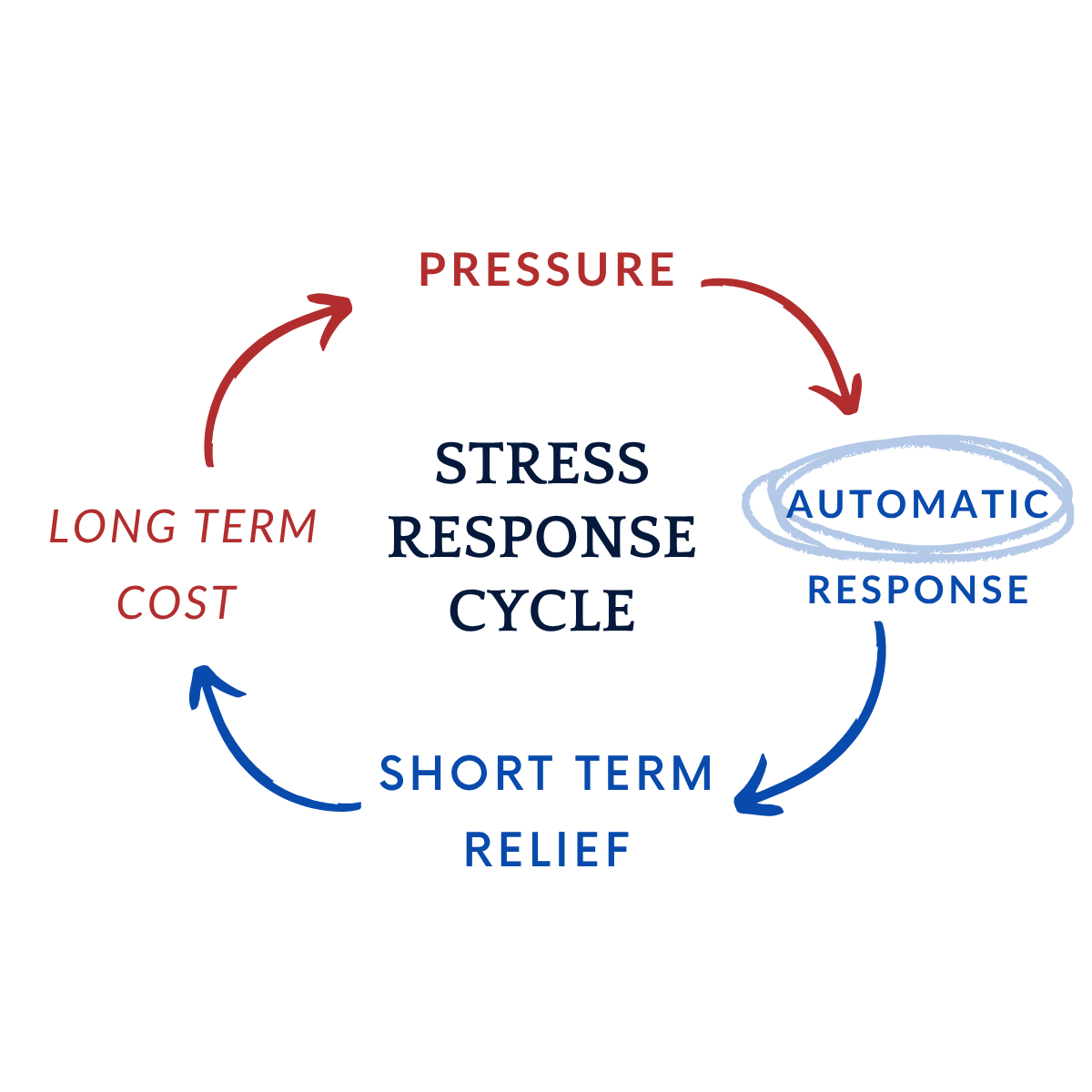
Automatic Responses Take Over Under Pressure
Delegate. Listen. Stay calm under pressure.
We know the basic wisdom. But when the stakes rise, old patterns are sure to return.
Under stress, leaders default to well‑worn internal habits shaped by past success, protective instincts, and unexamined assumptions. It’s automatic.
Without a process to address the internal drivers of those patterns, even the most motivated leaders find themselves in stress-driven reactivity.
This is why sustainable leadership change must work beneath the surface. The shift will be not in what they know but in how they interpret situations, experience threat, and choose responses when the pressure is on.
This is what working with blind spots is all about.
Your responses may be automatic, but we can shift your mindset and create new habits.
Ellen Lindsey is a leadership consultant in Austin, Texas, providing strategic guidance and executive coaching. She supports founders, senior leaders, and leadership teams through sustained behavior change.

The Framework for Change
Lasting leadership change follows an arc. Not a rigid script, but a set of conditions that must be present for behavior to genuinely shift.
Across decades of leadership development research and real‑world practice, these requirements for change consistently show up:
-
Change begins when the why is emotionally and professionally relevant and tied to real business risk or opportunity. This is rarely abstract.
Frustration with stalled results
Repeated feedback that isn't leading to change
New role demands or increased complexity
Without a compelling reason to change, effort fades quickly. Leaders must also see how their behavior is actually landing, not stay hidden behind their intentions.
This includes achieving an understanding of:
Patterns that erupt under pressure
Impact on clients, colleagues, and teams
The downstream business consequences
Until leaders can see the real consequences of their behavior, there is nothing concrete to take responsibility for and nothing specific to change.
-
With awareness in hand, we now look at what is driving the patterns that are counterproductive.
Assumptions, beliefs, and protective strategies shape how leaders interpret situations and respond — especially when stakes are high.
Until those drivers are made visible, behavior change remains unlikely.
-
Old assumptions must be examined, tested, and reworked. We think of this as a "mindset update."
The approach is not about positive thinking or self-correction. It's about developing more accurate, flexible perspectives that support current leadership demands.
When beliefs change, internal drivers change. Behavior change is more possible.
-
New beliefs and perspectives stabilize through repeated practice in actual leadership situations, under actual pressure, with real consequences.
Moments where old patterns try to reassert themselves
Business situations that test whether the new behavior holds
Feedback loops that reinforce what's working
Insight fades. Practice holds. Behavior change requires awareness, insight, mindset update, and deliberate practice.
Executive Leadership Development, Austin TX
360 Coaching & the Change Framework

Motivation + Awareness
Establish motivation for pursuing development + get feedback on actual impact with a 360 assessment

➞
Update
Mindset
Rework self-protective strategies + self-defeating behaviors through depth work with a seasoned counselor
➞

Apply + Experiment
Craft new ways of thinking, relating and responding + align to desired change

➞
Coaching + Integration
Structured sessions applying insights, practicing new patterns, and reflecting on results to methodically expand leadership effectiveness
The 360 Coaching process is a structure, time-bound process that supports leaders in their development, designed to align directly with the framework outlined above.
This is a representative sequence of the stages of coaching progression for 360 Executive Coaching.
Stages for Team Alignment vary per engagement. The exact pacing flexes based on role complexity, context, and goals, but the sequence matters.
-
Month 1-2 | 4 sessions
Leaders cannot change what they cannot clearly see — especially when behavior feels justified in the moment. In this stage the leader receives comprehensive feedback, an assessment of their leadership effectiveness, crafts an aspirational focus, identifies roadblocks, and reveals blind spots.
Focus:
Understand the 360° review process and choose raters
Clarify why change matters now
Process the feedback received in the review
Define a clear improvement focus (often a single keystone behavior)
Notice patterns that show up under pressure and block the desired change
Understand impact on others and on results
Begin surfacing the beliefs and assumptions that fuel reactive behavior
Identify self-protective strategies that once worked but now limit effectiveness
Typical session work:
Outline key context (work, leadership story, current pressures)
Review assessment data (360 feedback, stakeholder input, goals) Craft an aspirational, attainable leadership development goal that will expand the leader’s effectiveness
Identify self-defeating behaviors that create road blocks
Dig deep into mindset to uncover self-protective strategies
Identify limiting beliefs
-
Months 3–4 | 2 sessions
Discover and address the inner logic driving behavior. In this stage we map the leader’s mindset and set up thought and behavior experiments to scaffold change.
Focus:
Map the full mindset of self-protective strategies and limiting beliefs as relate to the leadership goal
Observe the reactions in real time as they get activated
Understand the history that shaped the mindset
Typical session work:
Structured reflection on a full Map of Mindset
Explore ways to pry loose old beliefs and expectations
-
Months 5–6 | 2 sessions
Old assumptions must be examined, tested, and reworked. It's time to update the Mindset.
Focus:
Test outdated beliefs against real data and current context
Develop more flexible, goal-supportive perspectives and behaviors
Design experiments, practice, reflect and refine
Typical session work:
Re-imagine a past situation with an updated mindset
Catch a moment when the behavior isn't triggered
Imagine a future situation with an updated mindset; experiment with alternative interpretations and responses
-
Months 7–10+ | 3+ sessions
Intentional practice, with continued feedback and guidance.
Focus:
Translate insight into consistent behavior
Strengthen new habits under increasing complexity
Typical session work:
Design and carry out small, real-world Experiments
Review outcomes and adjust approach
Reinforce new leadership identity through repetition

If this process seems both logical and demanding,
you’ve got the right idea.
Sustainable behavior change isn't quick, but it is achievable with the right structure and support.
If you'd like to explore whether 360 Coaching is a good fit for your context — in Austin, across Central Texas, or remotely — I'm happy to talk it through.
Apply the Leadership Change Process Across Services
360 Executive Coaching for Senior Leaders

Team Alignment Program
Leadership Coach & Confidant
Frequently Asked Questions
-
Under pressure, most leaders revert to automatic, well-worn responses shaped by past success and self-protective instincts. Insight alone does not interrupt these patterns.
Without addressing the internal drivers behind behavior + practicing new ways of behaving, change efforts tend to stall or collapse under stress.
-
They can spark intention, but they don’t rewire automatic responses.
Sustainable change requires awareness of impact, examination of underlying beliefs, and deliberate practice over time, especially in high-stakes situations.
-
Observable changes often begin to show up within four to six months when supported by a structured process.
Durable, identity-level change typically takes six to twelve months, depending on role complexity, context, and consistency of practice.
-
The integration of multi-rater feedback with adult development theory and a structured coaching arc.
Rather than focusing on traits or skills alone, a seasoned counselor and successful founder support leaders in understanding and reshaping the internal drivers of behavior.
-
Yes. As leaders advance, the growth edge shifts from external expertise to the internal landscape. How they think, relate, and respond under complexity is the learning curve now.
This process is designed for experienced leaders navigating higher stakes, broader impact, and increased visibility.
-
Typically, 360 Executive Coaching contracts run from $10,000 to $15,000 per leader for terms of 10 to 12 months. Unique pricing depends on depth, breadth, and scope.