

Team Coaching Austin
Team Alignment Program
For team dynamics and collective development.
Team coaching in Austin helps leadership teams fix communication breakdowns, misalignment, and performance issues that slow results.
Building Team Effectiveness
Is your team struggling with deadlines, lacking in communication, floundering because of mistrust?
When a team is out of sync, the impact shows up quickly. Missed deadlines, unclear ownership, and conversations that never quite resolve the real problem.
At 360 Coaching, our Austin team coaching program combines 360 assessments with targeted coaching to help teams understand what's driving their dynamics and change how they operate together.

➞
Preparing for strategic growth
➞
Teams in conflict or stagnating
➞
Navigating change or restructuring
➞
Traversing a merger or acquisition
The Challenges for Teams
Mindset
Are the team's goals, beliefs, and sense of purpose genuinely shared or just assumed?
Information Flow
Where is communication open and effective? Where is it distorted, withheld, or dominated?
Right Structure
Role clarity, accountability, team size matter. Is team leadership empowering or draining?
Producing Results
What is the team’s collective capacity to solve problems, make decisions, execute, and hold shared accountability?
Safety+Cohesion
Do team members feel safe enough to be direct, take risks, and show up honestly?
Readiness
Is this team strong enough to take on the next challenge? Sometimes collective leadership impact needs a boost.
What is going on with your team?
Teams with execution problems often have trust issues that haven't been addressed. Chronic communication breakdowns can signal a structural problem. Blurred roles, no clear decision maker, accountability that evaporates at the handoff. Teams in conflict may not be aligned on key foundations of purpose or goals.
Side chats, missed deadlines, and palpable tension. How can you effectively address that?
When a team is out of sync, one rock-star contributor isn’t going to bring the rhythm back. Misalignment is a system issue.
It takes shared insight, collective ownership, and expert guidance to change how a team actually operates together.
You need reliable data about where team issues originate. And, you need an experienced guide to shepherd them from insight to behavior change.

Two paths to choose from.
Focus on team dynamics or collective development?
Give us a call and we will figure that out together.
Meet Your 360 Coach
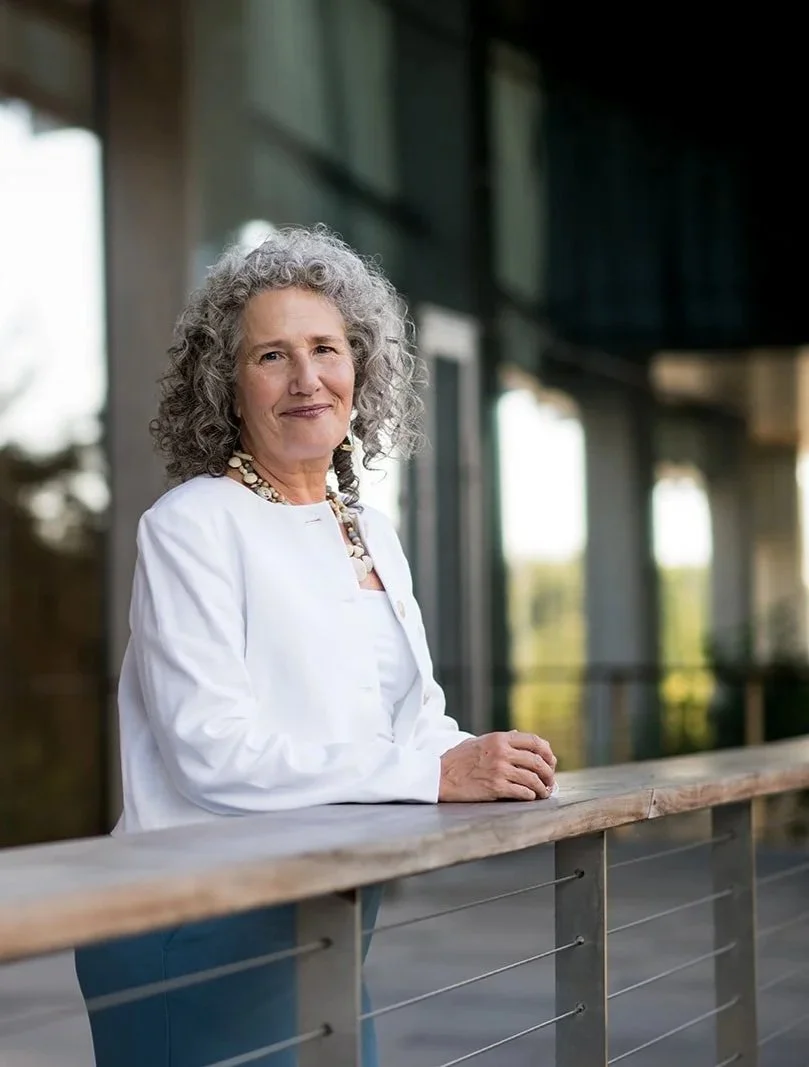
Ellen Lindsey, LCSW, brings decades of experience as entrepreneur, executive leader, and therapist. She built a multi-million dollar agency and led it through rapid scaling and a successful exit.
She understands firsthand how teams can rupture when the stakes are high. With a strong understanding of systems and the wisdom of a social worker, she approaches team alignment like a puzzle. Every member holds some pieces of the whole. Ellen has the skill and experience to understand how each piece needs to fit together.
Business-forward and grounded in psychological expertise
Warmth, clarity, and a straight-talking, no BS approach
Meeting leaders where they are to expand their capacity
The 360 Approach to Team Coaching
What ➛ How ➛ Why
What Team Alignment Accomplishes
Through team coaching and facilitated working sessions, we build awareness and skill to move the roadblocks that are clearly identified in the assessment.
Together, teams learn to:
Catch the patterns that throw things off before the meeting derails
Have conversations they’ve been avoiding without blowing up or shutting down
Experiment with new ways of showing up when the pressure is on
Build shared accountability that doesn’t rely on one person carrying the load
We build better relationships, improve communication, and increase collaboration.360 Coaching helps Austin teams get in sync and energize organizational progress.
How Teams Get There
First, we start with a conversation to explore your pain points and get clear on your goals.
Team Effectiveness Assessments
Then we will choose the right team effectiveness assessment based on the current stage of your team's development.. For teams struggling with internal dynamics, we deploy the BRITE™ assessment. For teams focused on growth, we deploy the Collective Leadership Assessment® (CLA).
Guided by the assessment results, team effectiveness coaching sessions are customized. 360 Coaching tailors team coaching to fit your team's specific strengths, issues, needs, goals and traits.
Stakeholder collaboration with the 360 Coach will determine the length and cadence of team coaching sessions. Typically spaced four to six weeks apart, group processing has time to metabolize and team members have time to apply the learning.
Why Team Alignment Is Effective
You’ve been here. A team retreat. A half-day workshop. Some people are grateful for the change of pace and others resentful of the time away from work. Either way, nothing really changes.
Slide decks and trust exercises don’t rewire habits. Inspiration alone won’t survive the next hard conversation, missed deadline, or tense meeting.
Team Alignment coaching is different. Unlike team-building, it starts with the specifics of where your team is blocked. Identifying a true starting point reveals a precise path to improvement.
Insights can be stimulating, but they will just fade out without an integration process.
Your 360 coach stays with your team after the 360 assessment results are absorbed. Crafting and leading discovery, didactic and practice sessions.
It takes the whole cycle to achieve integration. Grow awareness. Rework structures or patterns. Finally, deliberate practice. That is Team Alignment.
Expand the Impact
Team Alignment is a powerful program on its own.
Once your team has improved their dynamics, learned better communication, strengthened trust and solidified their purpose, they might be ready for a deeper dive into individual leadership development.
Adding 360 Executive Coaching will reinforce the team improvements while deeply engaging each member in their personal growth. Top-level team members might choose ongoing support and challenge with a Coach & Confidant program.

Frequently Asked Questions
-
A 360 assessment gathers feedback from multiple perspectives. For teams struggling with internal dynamics, we’ll use the BRITE and the team will give feedback about itself. For teams working toward greater readiness, we’ll choose the CLA. The assessment can be from the outside looking in or self-driven. Dive into the details on this page.
-
These are truly tailor-made engagements. Typically teams work with the 360 coach for three to six months, meeting as many times.
-
Your 360 coach has the finesse of a therapist and the lived experience of an executive team member and business. leader. Combining a thoughtful, human-centered approach with clear communication and reliable data to strengthen your team.
-
You can reach us anytime through our contact page or email: hello@executive360coaching.com.
-
We base fee on project type and complexity. As a stand-alone, Team Alignment starts at $3,000 for the assessment and one team coaching session. Typically teams opt for more support through additional sessions or services.
-
360 services work really well together. Often organizations will begin with Team Alignment then move naturally into 360 Executive Coaching. Your 360 Coach is happy to help you think through it based on your team’s situation and goals.
If you are looking for a personalized approach to team effectiveness and coaching with a proven process for change, let’s schedule a call.
We can start with a conversation to understand your goals and see if this approach is a fit.