Dustin Henderson and the Risk of Being the Smartest in the Room
Keep Austin Stranger
Leadership Development in Austin
Dustin Henderson is often the sharpest mind in the room. He sees patterns early, connects dots quickly, and stays curious when others start to panic. In Stranger Things, that intelligence regularly helps the group get unstuck—especially when fear is close.
It’s also the strength that quietly gets him into trouble.
I’m thinking about Season 2.
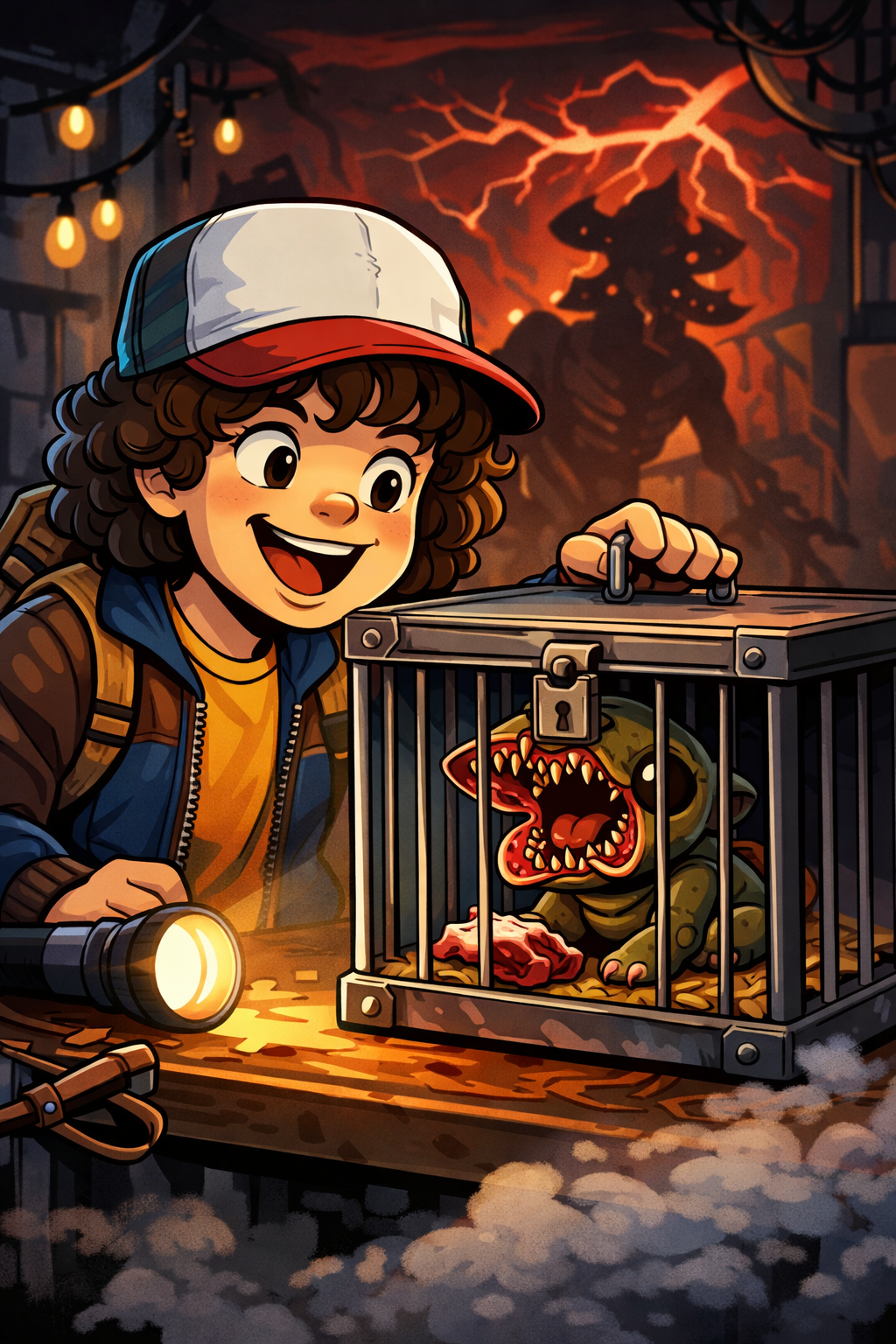
The Hawkins crew is already on edge. Dustin captures a baby creature he names Dart. He is completely infatuated with his new pet, but things start to get strange. Dart is growing faster than expected and he loves blood but it makes him aggressive -- not the traits of a harmless pet. Dustin sees the warning signs—but he keeps them to himself. He doesn't want anyone to overreact and take Dart away from him.
He thinks he's smart enough to manage the risk on his own.
This is where his high intelligence dips into dangerous arrogance. Now, Dustin is in his blind spot and his strength has become reactive in the face of fear.
Because Dart's truth stays secret, his threat grows, and options narrow. By the time the group has the full picture, they’re dealing a huge, full-grown threat that literally nearly kills them.
By Season 3, we see a real shift -- we see Dustin's awareness expanding and his leadership capacity growing.
Dustin is still brilliant, still quick, still convinced he can figure things out. But he’s less inclined to double down on being right in the face of pressure. When Robin starts decoding the Russian message, Dustin doesn’t posture or compete. He watches her outpace him—and instead of tightening his grip on the problem, he steps back and lets her lead. He trades intellectual dominance for shared traction.
That’s not humility for its own sake. It’s learning that when the stakes are high, the intelligent thing to do is collaborate.
I see this pattern often in leadership work. Intelligent people are rewarded for being sharp and thinking fast. When they collaborate, though, they often have to slow down. And, when the pressure is on, slow down feels dangerous and counterintuitive to them.
The issue isn’t ego. It’s fear of losing competence.
Strong leadership isn’t about being the smartest person in the room. It’s about awareness... knowing when your behavior is being driven more by fear than by effectiveness.
Coming next in this series:
Will Byers—and how caring and sensitivity can easily slip into passivity and put others in danger.
If this resonates, it may be worth noticing where your own competence has started to replace conversation—and what it would take to bring others in sooner.