Jim Hopper: Selflessness, Control, and the Cost of Carrying It Alone
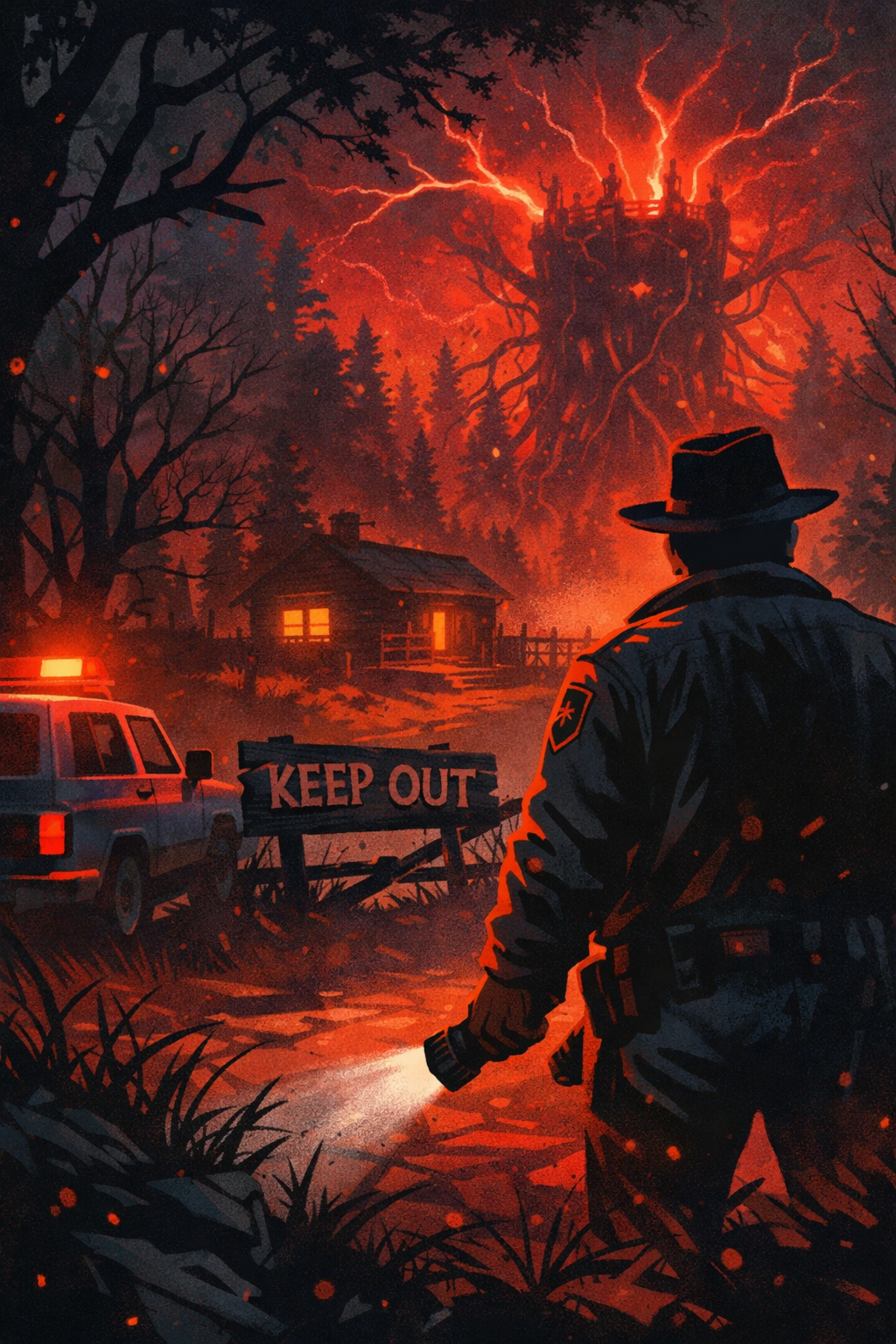
Keep Austin Stranger
Executive Leadership Coaching in Austin
Jim Hopper moves toward danger. When things get chaotic, he doesn’t wait for consensus. He decides. He acts. He takes responsibility when others hesitate.
At his best, Hopper embodies what the Leadership Circle Profile calls the Selfless Leader: someone who pursues service over self-interest, who is far less concerned with credit or personal ambition than with creating results that serve a common good—often through collaboration, even if he doesn’t name it that way.
That kind of leadership is comforting—especially early on. Someone is in charge. Someone is willing to quietly carry the weight without needing a lot of accolades in return.
But even selfless leadership has a shadow side.
When Hopper gets scared, that selflessness tightens into something else. He starts to confuse protection with control. The clearest example is his decision to lie to Eleven about her mother.
He tells himself he’s sparing her. That she’s safer not knowing. That someone has to carry the burden so she doesn’t have to.
This is the moment Hopper moves into a blind spot—one where the unintended impact of his behavior is no longer visible to him.
By withholding the truth, Hopper removes Eleven’s agency. Trust erodes. Conflict escalates. And the volatility he’s trying to prevent shows up anyway—louder, messier, and harder to contain.
This isn’t recklessness. It’s fear layered onto a deeply selfless sense of responsibility. And it’s a pattern I see often in leaders who care deeply about outcomes and people.
When fear enters the system, they tighten their grip. They feel like it's all up to them to move everything forward. They share less information. They start making decisions alone.
It feels like leadership, but it quietly destabilizes the very thing they’re trying to protect.
Hopper’s control doesn’t just affect Eleven. It strains his relationship with Joyce. It limits collaboration. It narrows the range of responses available to the group—even when his instincts are good.
Over time, we see a shift. Hopper doesn’t become passive or less decisive—but he does become more transparent and less unilateral. We see it when he admits fear and uncertainty to Joyce instead of bulldozing ahead. We see it in Season 4, when he relies on Joyce and Murray to survive and escape Russia, sharing information, adjusting plans, and accepting help rather than insisting on carrying it alone. He’s still decisive—but decisions are no longer made in isolation.
The result isn’t chaos. It’s steadiness.
Selfless leadership remains—but it’s no longer fused with control.
In my work providing executive leadership coaching in Austin, I often meet leaders like Hopper. Highly capable. Deeply committed. Willing to carry more than their share.
Their challenge isn’t learning how to care. It’s learning when carrying everything alone is no longer leadership—it’s a liability.
Strong leadership isn’t about holding tighter. It’s about knowing when to widen the circle.
Coming next in this series:
Dustin Henderson — and when being the smartest person in the room gets dangerous when it tips into arrogance.