What the Hawkins Crew Teaches Us About Executive Team Leadership
Keep Austin Stranger
Executive Team Coaching in Austin, TX
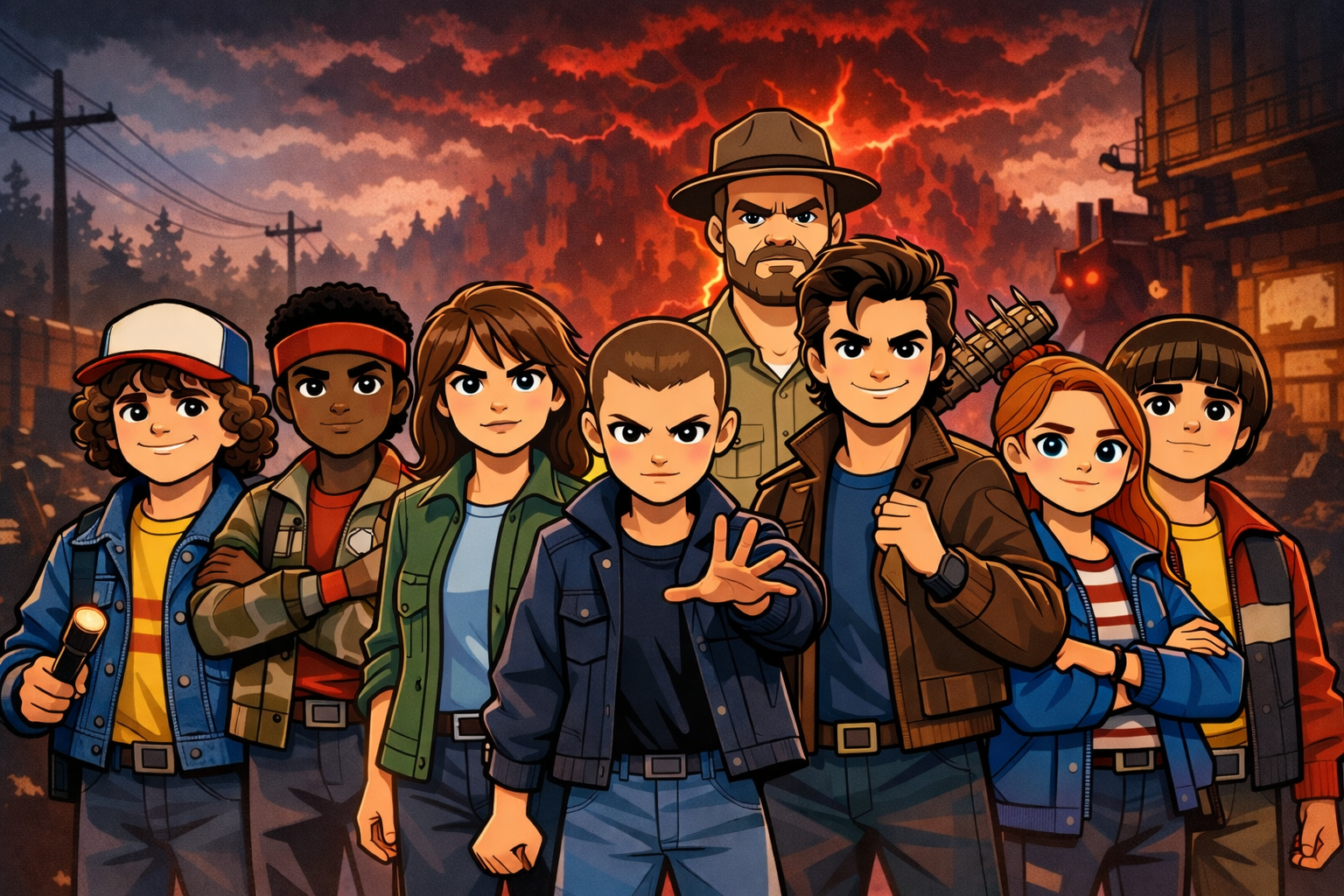
There’s a moment in the final season of Stranger Things when the Hawkins crew is under extreme pressure. Time is short. The stakes are existential. Everyone has an opinion about what needs to happen next.
Earlier in the series, this kind of moment would have gone a familiar way. Someone would rush ahead. Someone else would push for agreement. A few voices would dominate. Others would fade into the background. Decisions would be made quickly—driven more by fear than by shared understanding.
This time, something different happens.
The group slows down.
Leadership doesn’t default to the loudest voice or the person with the most power. It shifts. Someone names what they’re seeing. Someone else adds information that complicates the plan. There’s disagreement—but it doesn’t fracture the group. It sharpens the decision.
Fear is still present. What’s changed is that it no longer gets to run the room.
That moment is easy to miss if you’re watching for heroics. But if you’ve ever sat in a real leadership team under pressure, it’s unmistakable.
This didn’t happen because the Hawkins crew suddenly became better people. It happened because they grew.
Earlier seasons show us what that growth was built on. Under threat, the team reverted to habit. Hopper tightened control. Mike pushed for loyalty and fast alignment. Will withdrew when things felt overwhelming. Others hesitated to interrupt momentum, even when something didn’t feel right.
None of this was dysfunction. It was protection.
Each response made sense internally. Each one reduced anxiety—for a moment. And each one quietly limited what the team could see and do together.
By the final season, those same tendencies still exist. Hopper is still decisive. Mike still cares deeply about the group. Will is still exquisitely sensitive to undercurrents.
The difference is timing and awareness.
When Hopper starts to take over, someone pushes back. When the group rushes toward agreement, dissent gets voiced. When Will pulls away, someone notices—and brings him back into the conversation.
Leadership becomes situational. Authority moves based on context rather than habit. Strengths are still present—but they’re no longer operating on autopilot.
This is what team maturity looks like in practice.
In my work with executive teams, I see this same moment again and again. A meeting where pressure is high. The old patterns start to surface. And then—if the team has done the work—someone intervenes.
Not with a solution. With awareness.
They name what’s happening. They slow the system down just enough. And suddenly, the team has more options than it did a minute before.
The purpose of executive team coaching in Austin, TX isn’t to eliminate fear or disagreement. It’s to help teams recognize their patterns in real time—and choose how they want to respond when it matters most.
Strong teams aren’t defined by the absence of fear.
They’re defined by their ability to stay present, aligned, and effective when fear shows up anyway.
Coming next in this series:
A closer look at individual leadership growth inside the system—and how personal blind spots shape (and soften) over time.
If this resonates, it may be time to ask not just how your team performs under pressure—but what happens in the moments right before decisions get made.