

Organizational & Governance Analysis in Austin
Sometimes called a governance review, an organizational assessment, or a partner governance and decision rights assessment. For small and midsize businesses in Austin and across Texas.
A confidential, independent look at how your firm is actually run at the senior level and throughout your business. A deep dive into your operating and partnership agreements, job descriptions, and org chart. A written analysis of what’s working, what’s out of sync, what’s in conflict and what’s missing.
Most firms outgrow the structure they started with long before anyone takes the time to update it.

Organizational & Governance Analysis
If the structure your organization is built on isn’t sound, if it hasn’t been intentionally maintained over time, your team is going to feel it. Tension will rise, roadblocks will grow, and frustration will dominate.
When this happens, senior leaders often look at each other as the source of the problem instead of realizing the structure is foundational. I see this with clients all the time.
The basics are important: who decides what, who answers to whom, and whether your operating agreement matches how the business works day to day. In my Organizational & Governance Analysis service, I take a deep look at the whole structure informed by first-hand reports of how your senior leaders experience it. In the end, you get a team debrief, a written diagnosis and recommendations you can act on.
The value of an analysis can be even more robust when paired with other services, such as 360 assessments and executive coaching for individual leaders and senior teams, or Team Alignment.
Our Clients
Organizations whose leadership problems go deeper than the people. SMBs, partner-owned firms, family-owned businesses, founder-led companies and leadership teams after an acquisition. Often the person who suspects it’s needed is the owner, a CEO or an HR leader who sees the problem before the group agrees on it.
In professional services firms, partner relationships, client ownership, revenue ownership and autonomy make all of this harder. Clients typically employ 25 to 250 people, with a leadership group of 3 to 12. This is built for small and midsize businesses, not enterprise restructuring.
Is your organization experiencing any of this?
Decisions you thought were settled keep getting revisited.
Partners disagree about who decides what, or each one acts as though they can direct the others.
A key leader is leaving, and there's no clear path for transitioning their role or their authority.
Since a sale or transition, old habits are colliding with new owners and new roles.
Work drifts to whoever has the competence and bandwidth to carry it; accountability doesn’t enter the decision.
The same arguments keep coming back, and some disagreements fester under the surface.
Trust between leaders has broken down, and you're facing hard questions about who stays in which role.
Coaching helped one leader, but the group didn't change.
If this sounds familiar, your firm isn't unusual. It’s just having growing pains.
What is analyzed?
All analyses begin with confidential interviews with all stakeholders to learn first-hand where the pain points are. The questions are aimed at gathering information about the following topics. Interview data is assessed as a whole before looking at operating agreements, job descriptions, or org charts.
When paired with other services, such as executive coaching and Leadership Circle 360s, we gain a deeper understanding of how each leader's patterns feed the structure, and how the structure reinforces the patterns. When a team assessment, which reveals how the group functions together, where energy flows or is blocked, and how decisions get made in the room, is paired with the analysis, it shows whether the friction comes from the people, the structure, or both.
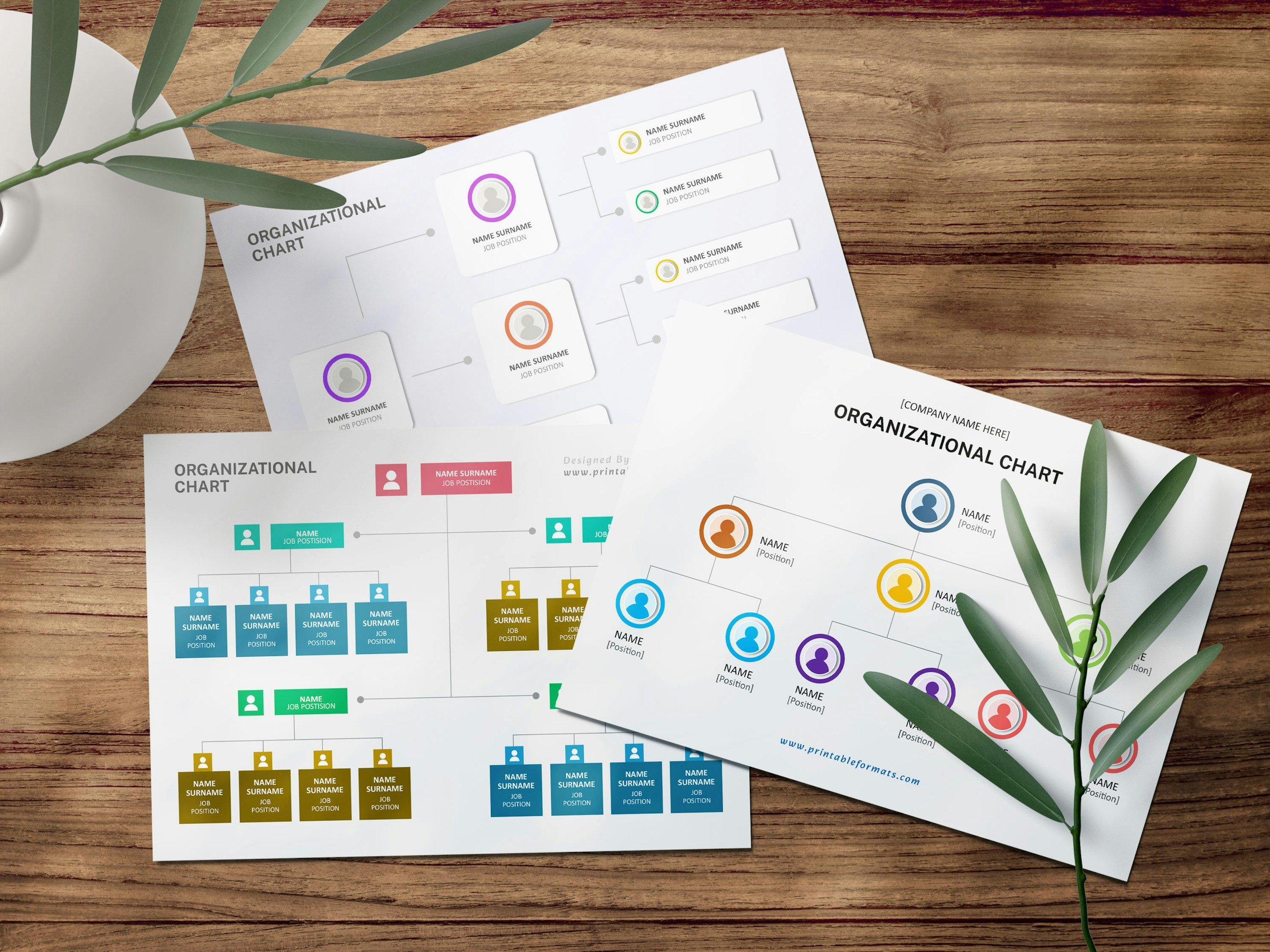
Governance and management
Who sets direction, who runs the business, and where those overlap? We look at operating agreements, job descriptions, and management practices. We consider what meetings are held, how they are run, and what their cadence is.
Decision rights
Who decides what? Does it match the operating agreement and job descriptions? Does it facilitate effective decision making or hinder it? Do leaders get congruent support and backup or are they undermined?
Authority and reporting lines
Who is in charge of whom, both formally and informally? Is there a clear culture of accountability and mentoring? Do managers actually manage their direct reports or have titles and org charts evolved to meet retention fears rather than serve organizational needs?
Roles and accountability
Are roles clear? Is accountability held? Do partners wear several hats, from owner to governing member to officer? Do they still serve clients? Do the top leaders receive timely feedback and useful performance reviews?
Operating agreement and job descriptions
A deep dive on these documents reveals congruencies, discrepancies, conflicts and omissions. That is then compared with how the firm actually runs. Legal advice should always be sought when partnership and operating agreements are in question.
Conflict and power dynamics
How is conflict handled? Is disagreement openly, constructively processed? Who defers, who controls, and what does the rest of the organization absorb as a result?
Unwritten rules and history
Surprisingly, some of the most impactful drivers. These shape how your leaders behave, reinforce unconscious dynamics, and create stagnation. Excavating these unseen forces can open up innovative progress.
What do you hope we can reveal and change through a governance review and organizational audit?
Process of Organizational and Governance Analysis
This process includes confidential interviews, document review, a decision-rights framework, clarified authority, facilitated conversations, a written governance charter, and follow-up on implementation.
Depending on the scope of our engagement, the whole analysis process may take 6 to 10 weeks from initial discovery conversation to the debrief.
Because this service involves interpreting legal documents and I am not an attorney, some definitions are important:
An operating or partnership agreement is the legal contract among the owners. It covers ownership, votes, capital, distributions, management structure and buyouts. An attorney drafts it, and changing it takes a formal amendment also drafted by an attorney.
A governance charter is an internal, non-legal document the leadership group adopts. It outlines how the group actually runs: who decides what, who reports to whom, how decisions escalate, and meeting cadence. It provides a plain language framework and works in congruence with the operating agreement. It can't contradict it.
A discovery conversation with the person bringing this forward, to define the scope.
Confidential interviews with each owner and key leader.
A document review: your operating agreement, officer roles and job descriptions.
A written diagnosis: what's happening, why, and where your documents and daily practice don't match. Congruencies, conflicts and omissions.
Recommendations with options. Clear direction, naming the most advantageous path.
A debrief with the owners and key stakeholders as a group. Reflect on findings. Discussion of implementation and next steps.
Facilitated working sessions, when needed, so the owners can process what the diagnosis surfaces, including mediated conversations between partners.
A written governance charter: a plain-language reference for who decides what, adopted by the group. Anything that touches your operating agreement goes to your attorney.
A follow-up 30 to 60 days later to see how implementation is progressing and what needs adjusting. Alternately, I can extend the project to steward the governance charter through to successful implementation.
Let’s discuss how an Organizational & Governance Analysis could benefit your organization.
Organizational Consulting + Wisdom + Experience
Expertise in the human side of business
I’m Ellen Lindsey, LCSW, an organizational and leadership consultant in Austin, TX.
Each leader's starting point is unique and determined by their mindset and by the system they are operating in. Their personal path is shaped by their blind spots. Their professional path is shaped by the culture and structures they operate in.
You need an advisor who has depth and experience to understand both and the interplay between them.
As an entrepreneur, I’ve built a multi-million dollar company, scaling a business at a 40% year-over-year revenue growth rate. I led teams, weathered conflict, navigated overnight pivots, scaled in a frenzy and successfully exited through an acquisition.
I’ve been in your seat and I’ve come out wiser on the other side. With sophisticated assessments and an outsider’s objectivity, I assess leaders as they impact your organization, and the structures of your organization as they impact your leaders.
Today, as an organizational consultant, I work with businesses and leaders facing the same pressures I did. Growth, complexity, fast-paced change and heavy responsibility at scale. Executive coaching is only part of the offering. Clarifying roles, understanding governance, and mapping out decision rights are just as important to leadership effectiveness as development work.
Our work together enhances your leaders’ effectiveness, improves team alignment, and strengthens your leadership pipeline.
I’ve got you covered on the human side AND the business side of leadership.
The results of shoring up organization and governance have been impressive, from founders to partners and even my personal experience as an owner.
Organizational & Governance Experience
Written diagnoses for sponsors. I've delivered comprehensive written findings and recommendations to clients who commissioned them.
A partner group. In a twelve month engagement, I worked with a group of owners who each held every role in the firm and were experiencing conflict and stagnation. They now share a plain-language reference for who decides what, and their CEO has clear authority to supervise the officers which was non-existent before.
A founder-led professional services firm facing succession. A multi-year engagement involving two rounds of 360s and multiple confidential interviews clearly revealed conflicts between governance roles and operational roles. In that context, the 360s informed who should step into the president role. The candidate was not who the founder originally wanted to promote, but they saw the merit of the recommendation in light of the analysis. A year later, a buyer came knocking offering tens of millions of dollars.
My own agency. I restructured roles and authority throughout twelve years in the company I built. That level of organizational attention supported deep and broad development for senior leaders and enabled developing a solid pipeline. I learned what it costs when owners don't have clear lanes and partnership agreements are thin.
Organizational & Governance Analysis Details

-
A written diagnosis, typically includes:
Summary of findings
How decisions are actually made today
A map of roles, authority and decision rights, and where they overlap or conflict
Where your operating agreement, job descriptions and daily practice don't match
Recommendations and options, with tradeoffs, and a clear recommendation where one path is best
A draft governance charter for who decides what
Suggested next steps
-
Executive coaching works on one leader. This service looks at the structure that leaders work in and is more directive than leadership development work.
Large consulting firms focus on strategy, operations and enterprise restructuring.
Operational & Governance Analysis with 360 Coaching focuses on the people at the top and how authority works among them.
Your attorney and CPA: your attorney drafts and amends your agreements; your CPA handles tax and valuation. I look at how the agreements work in practice and can coordinate with your attorney on questions or changes. Nothing I provide is legal advice.
Harassment or misconduct claims go to employment counsel first. I can act as an executive mediator, intervene on conflict and facilitate productive disagreements.
-
Every interview is confidential. Leaders speak more honestly to an outside advisor who has no stake in the outcome when they are assured of discretion.
The written report shares themes and patterns, never who said what. Before the engagement begins, we will determine who will have access to the report.

FAQs for Organizational & Governance Services
-
Most analyses range from $15,000 to $30,000, depending on the number of leaders interviewed. 360s, team assessments and facilitated sessions are priced separately.
-
About 6 to 10 weeks from the first interview to the debrief, depending on how many leaders are interviewed and how quickly interviews can be scheduled. Facilitated sessions and the follow-up occur over the succeeding months.
-
Sometimes one person's behavior is central. More often, behavior makes sense given the structure around it. The analysis looks at both, and the report names patterns, not culprits. If one leader needs individual work, executive coaching will be part of the recommendation.
-
If all owners aren't on board, then further discovery conversations are needed. I am open to meet with any stakeholders to understand their reluctance, answer their questions, and present the value proposition.
-
Yes. I've worked with engineers, auditors, attorneys, and behavioral health centers. I'm open to engaging with any partner-owned firm, including accounting, architecture, medical and financial advisory practices.
-
Yes, and I've walked in their shoes. For founders, transition is a tricky and very personal process. For longtime leaders stepping down, succession issues can be confusing. These executives hold immeasurable institutional knowledge. Crafting a meaningful transition plan often is more successful with an outside advisor's input for the benefit of objectivity.
-
If the process is successful, your leaders will feel it, decision-making will be cleaner, roles will be clearer and meetings will run more smoothly. We will check on that process through formal outcome measures. Those will be determined from the project outset, depending on the entire scope and design of the project, and follow up cadence.
What we look for: decisions that stay made, fewer escalations, meetings that end with a decision, authority with accountability and leaders acting within their lanes.
-
Yes. After our discovery call, I will offer an informed recommendation about initial project scope. Many clients start with the analysis and add executive coaching or Team Alignment where the findings point. Others start with coaching and add the analysis when the problem turns out to be structural. Most of the time, clients opt for a comprehensive suite of services because it all works together for the development of the leaders, the team and the organization.
-
Only if you decide it should. The most important thing is to understand what your operating agreement actually dictates and whether your practices are congruent. If they aren’t, we explore together whether the practices have gone off course or your agreement no longer suits the current needs and stage of your organization. If there are any changes to be made to your operating agreement, that is a task for your attorney.
-
My preference is always in-person. These topics can be confusing, the dynamics volatile and the patterns entrenched. When I'm physically present with the owners and leaders, I am better able to read them, understand their context and build rapport. That said, many clients need remote services, and I'm happy to oblige. I'm also available to travel.

How it All Connects
Sometimes it’s clear which service suits your needs and sometimes it’s not.
If you suspect unclear roles, ineffective authority, or conflicting decision rights are at play, look at Organizational & Governance Analysis. Some groups take the report and run with it. When the founder’s own role is changing, the work after the report usually runs longer, often 6 to 12 months.
Others want help putting the new governance charter into practice: facilitated owner sessions, Team Alignment or Senior Team Coaching for the leadership team, Coach & Confidant for CEOs who need an ongoing confidential sounding board, or executive coaching for the leaders taking on new authority.
These services may be part of the original project, enhancing the depth and outcome of the engagement, or may be added once the Analysis has been conducted.
If you’re not sure which one is the best fit for you, let’s talk about it. I’m not sales-y so you don’t have to worry about getting a hard pitch.